
Research

My work sits at the intersection of machine learning, computer vision, and remote sensing, with deep collaborations across health, sustainability, and humanitarian partners. I co-lead Microsoft’s Geospatial Machine Learning Center, and also do fundamental research on generalization, transfer learning, conditional computation, and domain adaptation. Below is a snapshot of the projects I have led or co-led — see Publications for the full record.

Featured Projects

Geospatial ML · Open Source

TorchGeo

A PyTorch domain library for geospatial data — datasets, samplers, transforms, and pretrained models that bring the ergonomics of torchvision to Earth observation. Adopted across academia and industry for remote-sensing deep learning.
Earth Observation · Sustainability

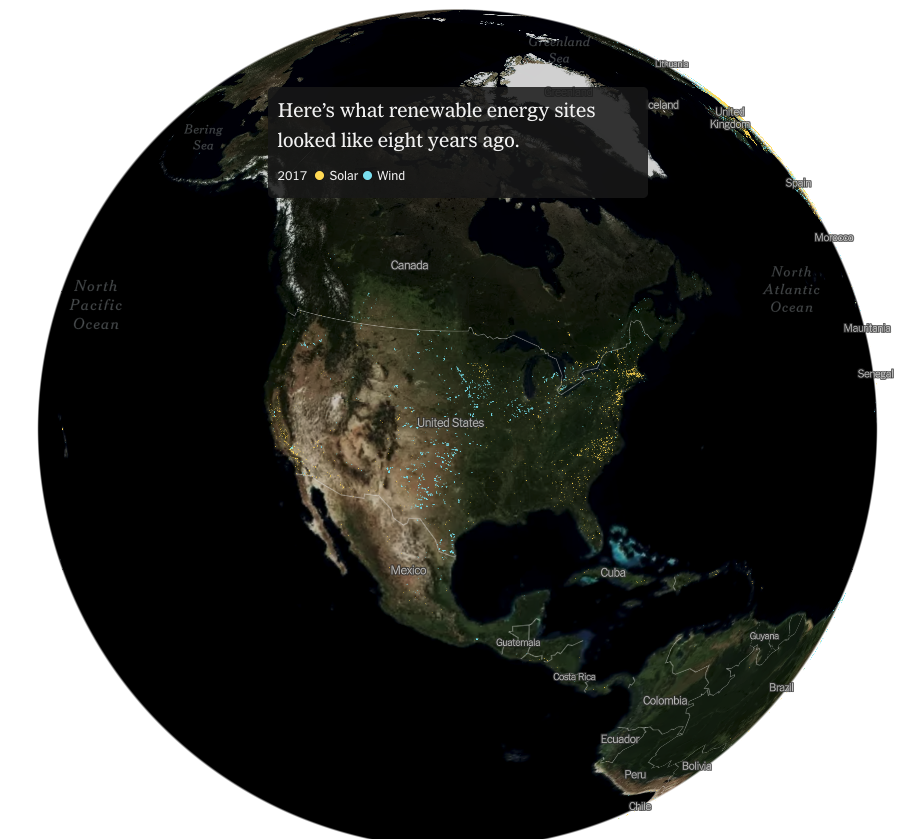
Global Renewables Watch

A living atlas of the world’s utility-scale solar and onshore wind, mapped quarterly from satellite imagery with deep learning. Built with Planet and The Nature Conservancy to track the global energy transition and inform low-conflict siting.

Health · Medical Imaging

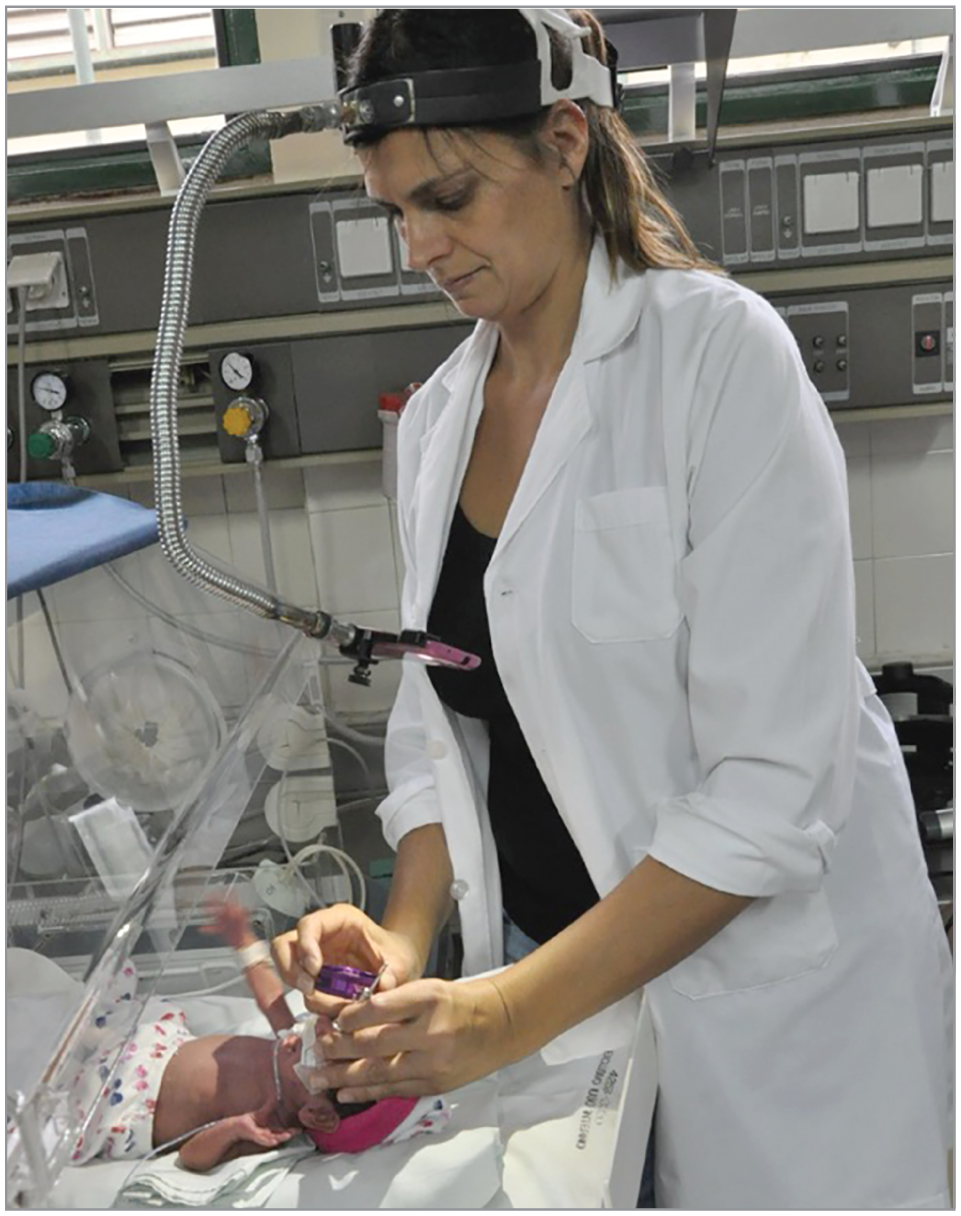
AI-Enabled Screening for Retinopathy of Prematurity

Deep-learning system to triage retinopathy of prematurity (ROP) from neonatal fundus images, clinically validated to extend specialist screening into low-resource settings where pediatric ophthalmologists are scarce.

Earth Observation · Sustainability

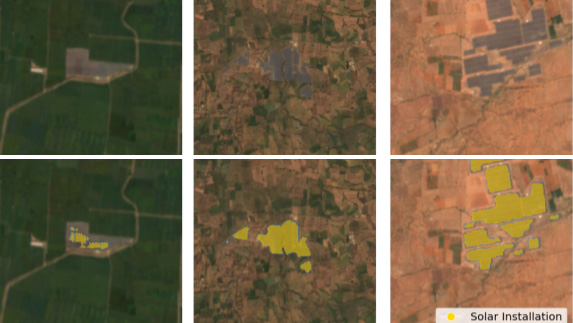
National-scale Solar Energy Mapping (India)

An AI dataset of every utility-scale solar installation in India, built from satellite imagery to inform renewable-energy policy and land-use planning. Joint work with The Nature Conservancy.

Earth Observation · Climate

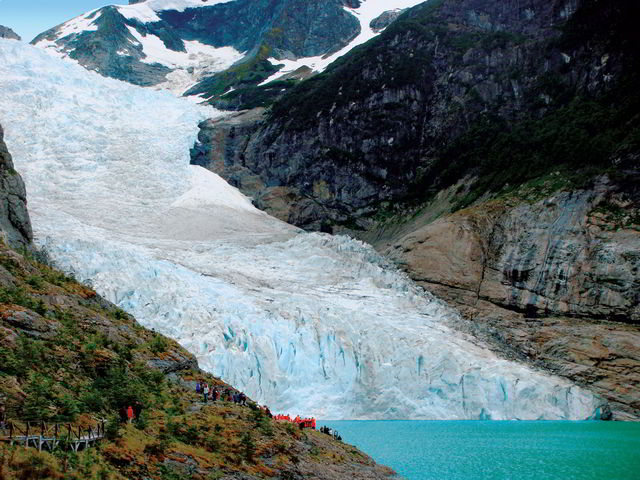
Mapping Glacial Melt in the Himalaya

Open data and ML pipelines for monitoring the Hindu Kush Himalaya glaciers — supported by an $18,000 Microsoft AI Research Grant and featured by Microsoft On the Issues.

Conservation · Biodiversity

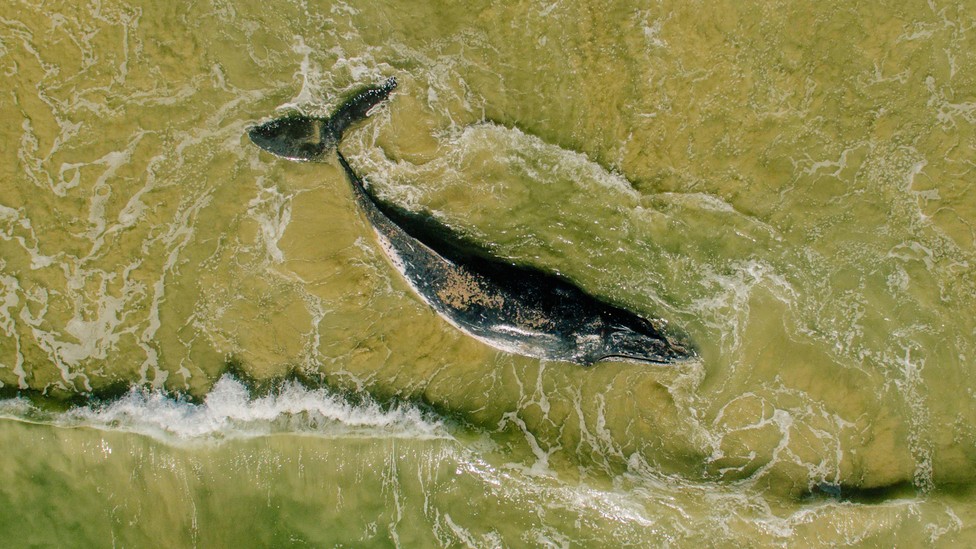
Wildlife Detection from Space

Detecting beached whales, cattle, and elk in very-high-resolution satellite imagery to support biodiversity monitoring and conservation partners.

Human-in-the-loop · Earth Observation

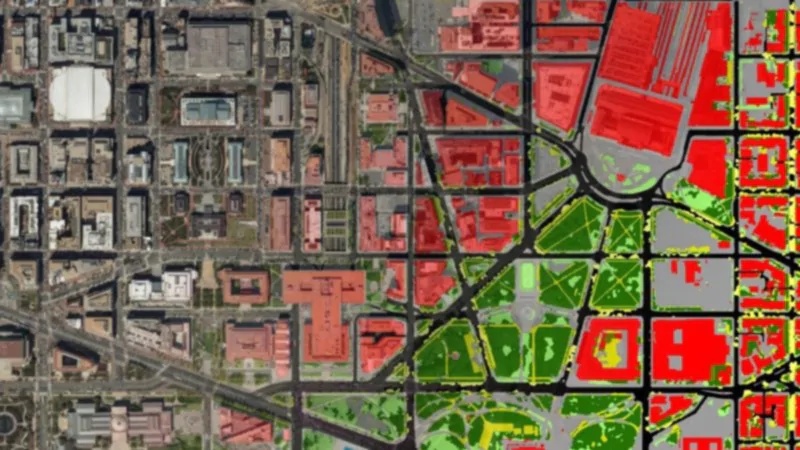
Human–Machine Land-Cover Mapping

Interactive systems where humans and ML models collaborate to produce robust land-cover maps that generalize across geographically diverse regions.

Core ML · CVPR 2020

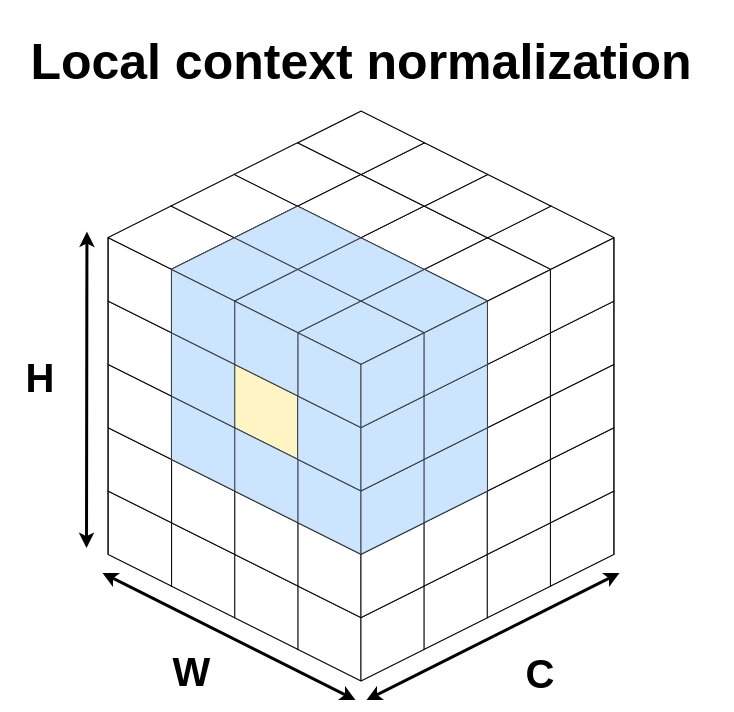
Local Context Normalization

A drop-in normalization layer that revisits local normalization for dense-prediction networks, improving generalization and robustness in semantic segmentation.

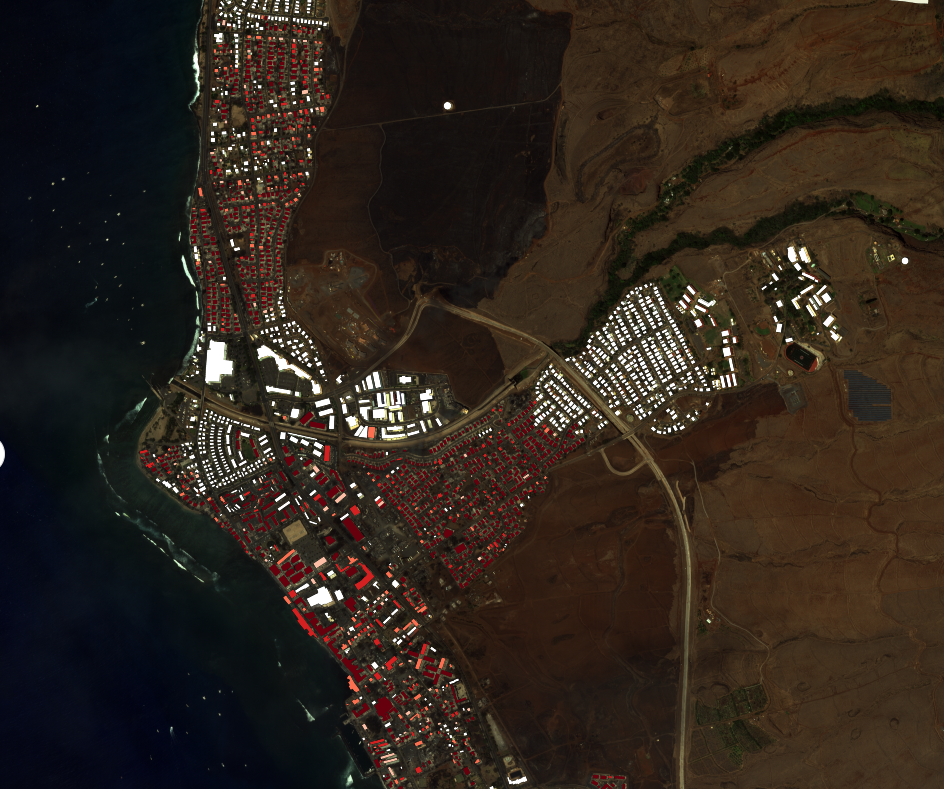
Humanitarian · Disaster Response

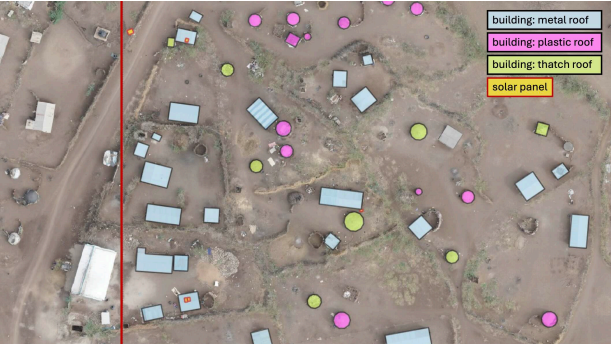
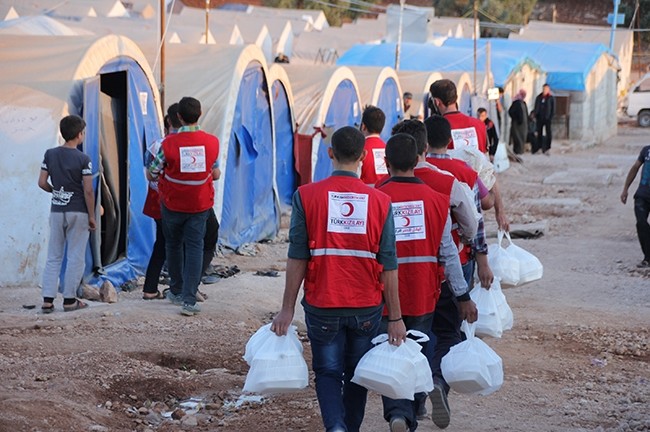
Foundational Mapping for the American Red Cross

Building maps of vulnerable communities in Uganda from satellite imagery to support flood and pandemic response operations.

Other Research Themes

Geospatial Foundation Models

Self-supervised pretraining and foundation models tailored to multispectral, multi-temporal Earth-observation data — see TorchGeo.

Change Detection & Reality Checks

Rigorous evaluation of purported advances in remote-sensing change detection (arXiv 2024); temporal cluster matching for structures (COMPASS 2021).

Trustworthy Medical Imaging

PSMA PET/CT lesion segmentation; preventing shortcut learning in COVID-19 chest X-ray classifiers; federated and privacy-preserving training.

Robustness & Adversarial ML

Defenses for deep models in remote sensing and imaging modalities beyond the visible spectrum (MILCOM 2018).

Conditional Computation & Efficient DL

Architectural innovations that improve efficiency and generalization in dense-prediction tasks.

Hyperspectral & Multimodal Sensing

Fusion of hyperspectral data with image-based 3D models; spectral–elevation registration; SWIR terrain segmentation.

Open Source

Code, datasets, and benchmarks I have led or co-led — building blocks the geospatial-ML community can reuse.